Case study

From founding the L&D function to handing it off under regulatory cutover.

Three progressive roles: building the academic operating system, running it at scale across two programs, then leading the cutover that moved an entire international cohort from one regulatory partner to another. Zero service disruption.

3mo
Regulatory cutover
(typical: 8–12 months)
500+
International learners
protected through transition
5 programs
Migrated to new
regulatory partner
0 disruptions
Service continuity
through every change
Centre for Entertainment Arts production environment

Production environment. Vancouver, BC.

Summary

Early executive hire at launch. Built the Advanced Visual Effects program from zero, then stayed for the full arc: through cohort expansion, two-program ownership, and eventually a three-month regulatory cutover.

The systems I built at the founding carried the institution through every change that followed. Zero service disruption. Zero funding loss.

Three roles, one operating system. The architecture I designed at the founding is what made the cutover possible years later. It's also what made the Calgary and Bogotá expansion work portable. That's the pattern this case study tracks.

The Brief

Build an Advanced Visual Effects program from launch at a new private institution under a public-private partnership. Scale it, stabilize it, then hand it off to a new regulatory partner under provincial oversight. The cohort was fully international, with work permits that depended on continuous DLI status.

Act One: Foundation
Director, Program Development & Learning Strategy
(Program Director: Visual Effects)

Build the operating system before the first cohort arrives.

Founding hire. CEA had leased course outlines from the Academy of Art in San Francisco and not much else: no instructor bench, no progression framework, no academic policy, no delivery system. Launch date set. 100 learners incoming.

I kept the course names and the licensed shell, threw out the rest, and rebuilt everything underneath: program architecture, delivery frameworks, academic policies, progression and assessment models. Sourced and onboarded 15+ instructors under launch pressure. Designed the quality standards the institution would later scale on.

Mid-tenure, the pandemic forced a full shift to online delivery. The cohort didn't lose a day.

  • What I builtProgram architecture, delivery frameworks, academic policies, progression and assessment models, instructor onboarding and quality standards.
  • Cohort size100 learners at launch, scaled beyond during tenure.
  • Instructor bench15+ sourced, recruited, and onboarded under compressed timelines.
  • Major shift ledFull transition to online operating model.

Founding a function means designing it to run without its founder.

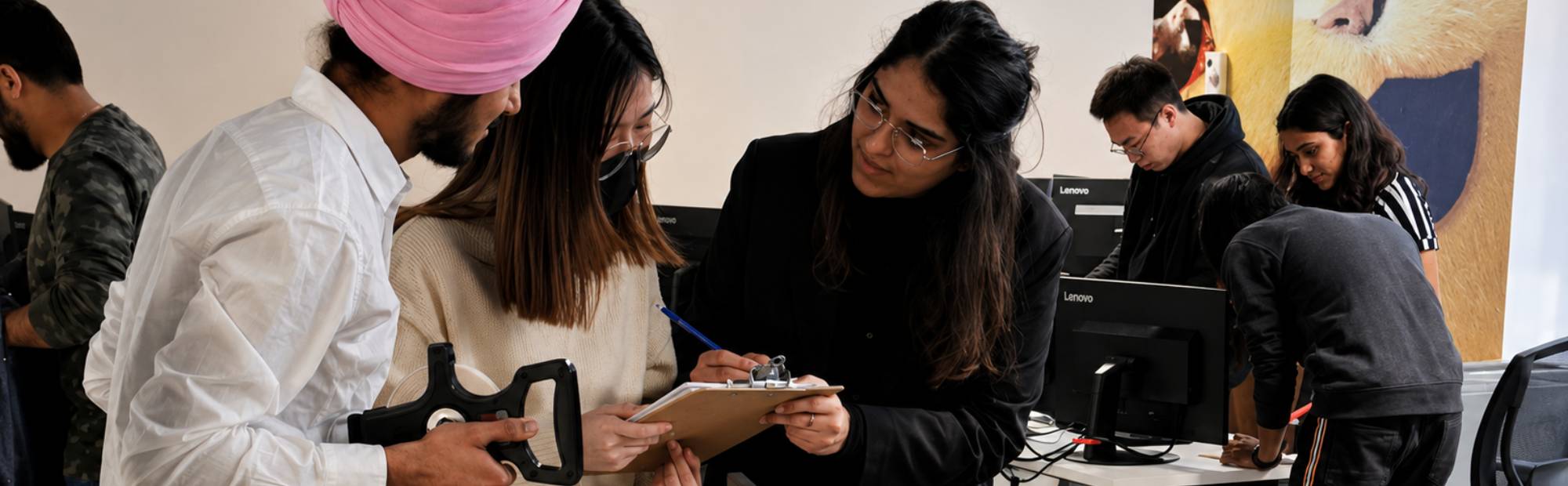
CEA computer lab classroom
The operating environment: program delivery floor.
Act Two: Scale and Stabilize
Director, Programs & Learning Operations
(Head of School: VFX & Animation)

Take on a second program, on short notice, and hold delivery steady.

Scope doubled on short notice. I took ownership of academic operations across both Visual Effects and Animation: roughly 300 concurrent learners, 13–17 direct reports per term, plus a mentor network.

The work was stabilization through a leadership transition: rebuilding instructional capacity, holding delivery standards consistent across two programs, and keeping quality from drifting while the org around me shifted.

One quiet signal that the system was working: multiple graduates returned to teach. By Act Two, several of our own alumni were on the instructional bench as TAs. That's a feedback loop you only get when graduates believe in what they came through.

  • Learners owned~300 concurrent across VFX and Animation programs.
  • Programs ownedTwo flagship creative-technical portfolios under direct academic operations leadership.
  • Direct reports13–17 per term: TAs, full-time and part-time instructors, plus mentor network.
  • What stabilizedRole expectations, progression criteria, readiness indicators, cross-program coordination, instructor performance management.

When scope doubles, I hold quality without slowing delivery.

Critique session in CEA classroom
Critique session. The heart of any arts education, and the place where quality standards either hold or don't.
Act Three: Cutover
Vice President, Talent & Capability Systems (Americas)
(VP of Education: Americas)

Move 500 international learners between regulatory partners in three months.

This is the part of the story I get asked about most.

CEA needed to migrate its public-private partnership from Langara College to Kwantlen Polytechnic University under provincial PTIB (now PTIRU) oversight. Industry-typical timeline: 8 to 12 months. We had three. Inside that window: 500+ learners across five programs, a fully international student body on study permits, all dependent on continuous DLI status for post-graduation work permit eligibility.

If continuity broke at any point (funding, accreditation, instructor contracts, regulatory filing), students didn't just lose a semester. They lost the right to stay and work in Canada after graduation.

I co-led the operational side as senior advisor to executive leadership, partnering closely with Compliance, Operations, and the receiving institution's academic team. Change management, regulatory translation, workforce implications, and risk mitigation, all in scope, all at once.

Cutover completed on schedule. Zero service disruption. Zero funding loss. Every cohort continued. PGWP eligibility preserved.

In parallel, I scoped multi-location expansion across the Americas: established a Calgary partnership that's still operating today, and scoped a Bogotá partnership in-country, working on-site with Universidad del Rosario. Proof that the operating system was portable.

  • Cutover timeline3 months vs. typical 8–12 months.
  • Scope at risk500+ international learners across 5 programs. DLI status and PGWP eligibility for the entire cohort.
  • OutcomeZero service disruption, zero funding loss, regulatory transition cleared.
  • Parallel workCalgary partnership established (still operating); Bogotá scoped on-site with Universidad del Rosario.

I move complex systems through high-stakes transitions without breaking them.

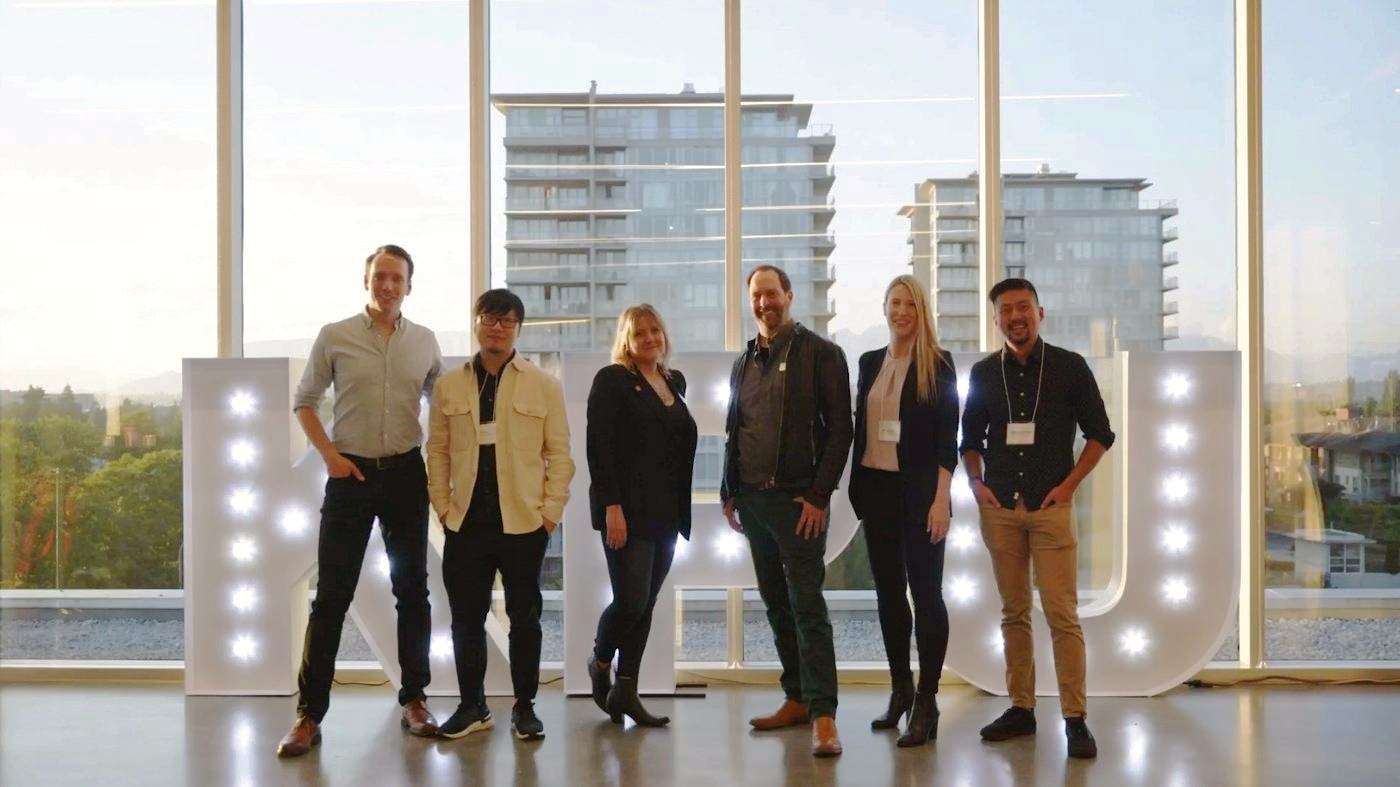
Mel with team in front of KPU marquee letters after the cutover
With the receiving institution's team after the Langara to KPU cutover completed.

Outcomes

Three roles. One operating system. Held through every change.

3months
Delivered on schedule

Industry-typical timeline for comparable cutover: 8 to 12 months.

500+ learners
DLI status preserved

Fully international cohort. PGWP eligibility intact for every learner.

5programs
Migrated under provincial oversight

Transferred to the new regulatory partner. No infractions filed.

0disruptions
Service continuity held

Every cohort continued. No funding loss during the move.

From the team
Melissa Best is our powerhouse VP of Education, Americas, and has been crucial in the set up and day-to-day running of CEA.
Centre for Entertainment Arts  ·  Marketing & Communications
Industry integration

Built with the studios learners would graduate into.

The Student Work Initiative placed enrolled learners directly into active production studios, turning curriculum into pipeline. The banner below shows the partner roster across animation, VFX, and games.

Graduates have gone on to work on titles for Sony PlayStation, Disney, Warner Bros., Universal Pictures, Paramount Pictures, and Sony Pictures, among others.

CEA partner banner displaying industry studio logos including ILM, Netflix, DNEG, Mainframe, Digital Domain, and Distillery
Student Work Initiative partner banner. Industry pipeline visible on the floor.
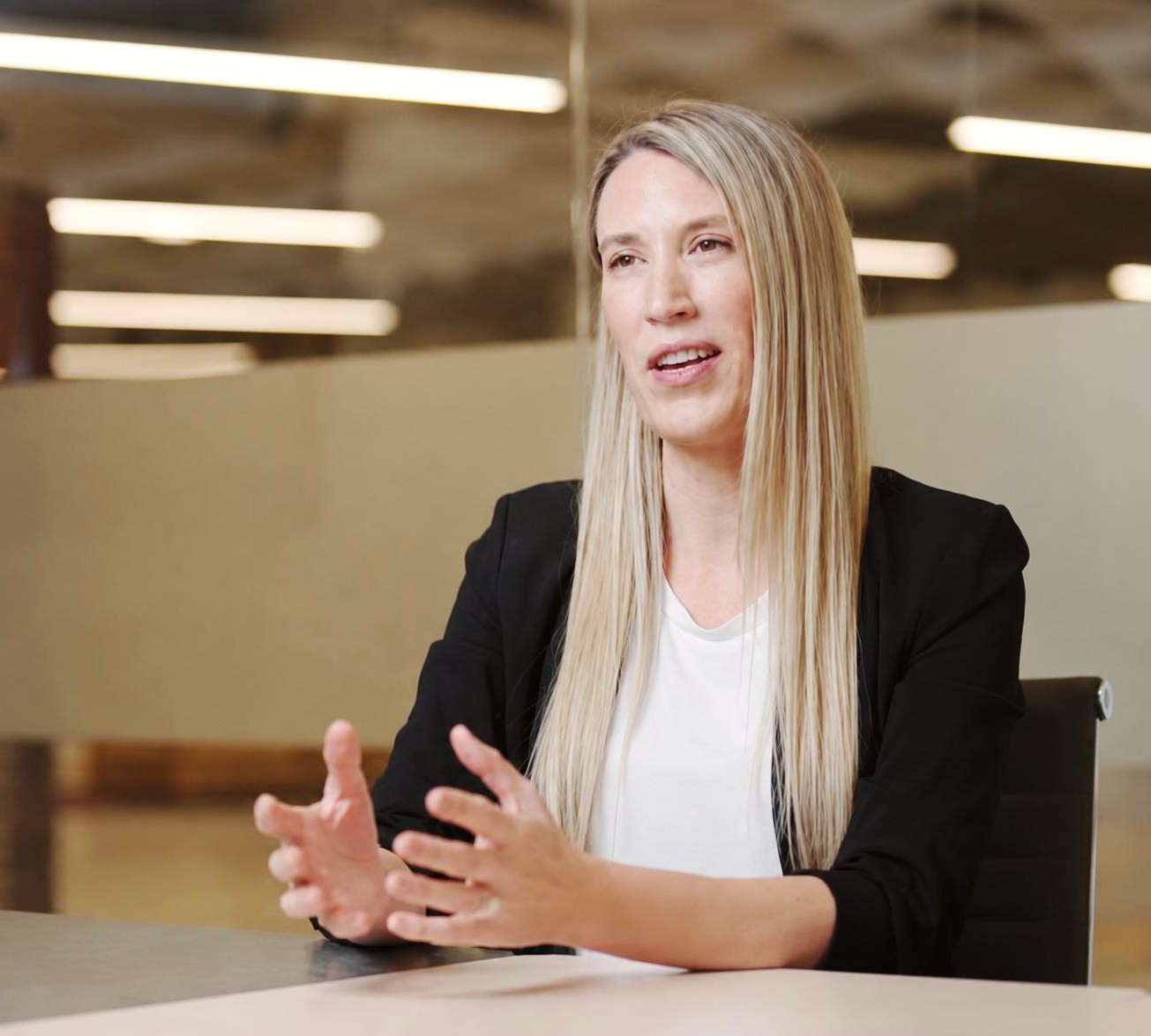
Mel presenting at CEA event
Presenting CEA programs.
← Back to work